Overt Behavior: What is it?
Overt Behavior: What is it?
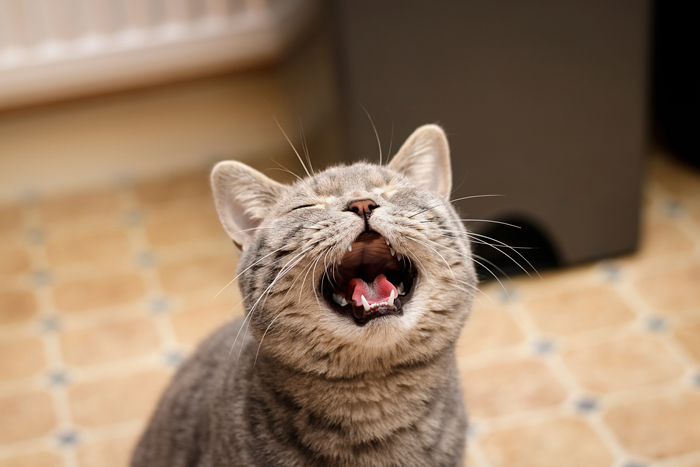
Overt behavior is a term used to describe something that we see every day throughout our daily routines. According to the American Psychological Association (APA), overt behavior is essentially a behavior that is observable by other individuals we encounter throughout our day, such as family members, friends, classmates, or people out in public. This can look like physical actions or movements, facial expressions, or words that we speak. For example, saying “hello” to a friend, scrunching up your face in disgust, or checking your phone for notifications are all examples of overt behavior. The significance of overt behavior is emphasized in a 2012 article written by Howard Rachlin. This article states that overt behavior can actually give a valuable perspective on human behavior, and the author suggests that inner emotions and thoughts are often displayed through observable behavior and actions (Rachlin, 2012).
So far, this might seem pretty simple: that overt behavior is simply our physical actions. However, overt behavior can play a significant role in how we navigate our interactions with others throughout our daily routines. For example, a smile can indicate someone's inner emotions of happiness, while a frown can display inward sadness. If someone crosses their arms, you might infer that they are closed off or angry, while if someone is animatedly discussing a topic with their hands, you might be able to tell that they are very passionate or excited about it. We can see overt behavior in pets as well, which can help them be able to communicate with humans in a way. If a cat goes over to their food dish and cries, we can assume that they are having thoughts that they are hungry. Or if a dog is wagging their tail, we can tell that they are feeling happy. Overall, while overt behaviors might seem like something as simple as physical actions, they hold much more depth and can often provide insight into human or animal emotions and thoughts.
Works Cited:
APA Dictionary of Psychology. (n.d.). Dictionary.apa.org. https://dictionary.apa.org/overt-behavior
Rachlin, H. (2012). Our overt behavior makes us human. The Behavior Analyst, 35(1), 49–57. https://doi.org/10.1007/bf03392265

I like your explanation of overt behavior. I like your representation of overt behaviors related to our cognitions and emotions. I also appreciated your use of examples such as smiling, frowning, putting your hands in a certain way while talking, etc. I also appreciated the inclusion of pets within your examples since it shows that observable behavior is an important form of communication not only for people but for animals as well. One thing to keep in mind is that overt acts will give clues about interior states, but don’t necessarily tell the whole story. For example, a person will smile to appear courteous while he or she is angry. However, overt behavior is still a highly significant term in psychology. It allows researchers and people to see, measure, and understand behavior in everyday life better. In general, you’ve done a very good job of emphasizing the significance of overt behavior and its relationship to communication and social interaction.
ReplyDelete